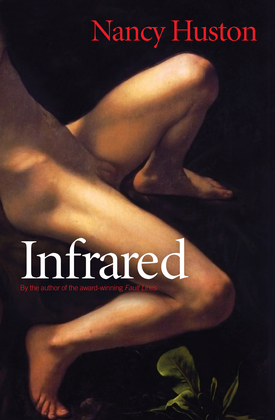
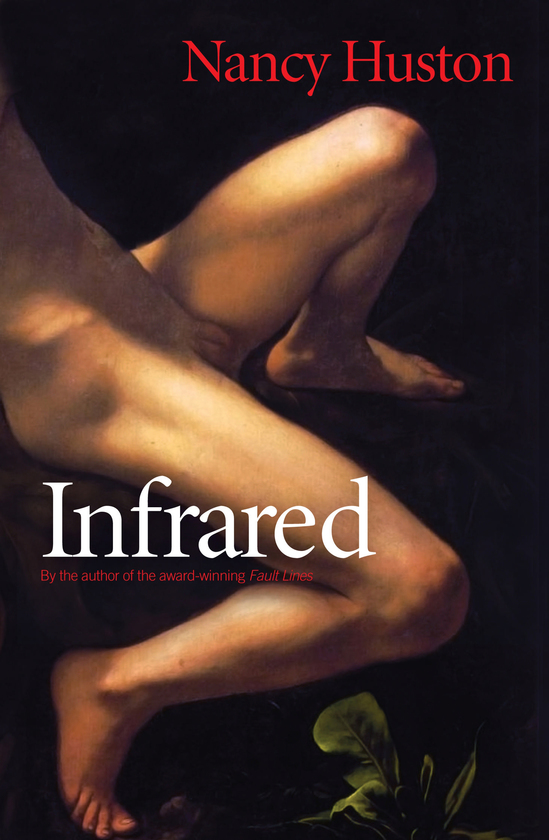


After a childhood marked by pain, Rena Greenblatt has found the strength to build a successful career as a photographer. Like the ultrasensitive infrared film she uses, Rena sees what others don’t see, and finds a form of love. By photographing men’s bodies, she hopes to glimpse their souls.
Away from her lover, Aziz, stuck in Florence with her infuriating stepmother and her ageing, unwell father, Rena confronts not only the masterpieces of the Renaissance but the banal inconveniences of a family holiday. At the same time, she finds herself travelling into dark and passionate memories that will lead her to a series of disturbing revelations.
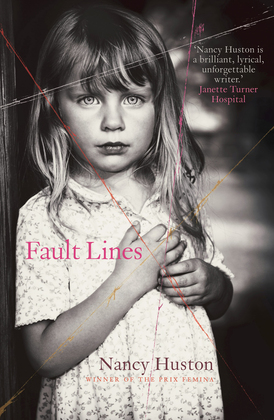
With exceptional flair and talent, Nancy Huston explores the links between family intimacies and our collective lives, between destruction and creation. In the spirit of her bestselling novel Fault Lines, Infrared is a story about how childhood, family, and our culture all have a direct impact on our sexuality.


andInfrared
‘An intense and sensual novel, in which unapologetic feminism never for a minute excludes the desire for men.’
‘There is something eminently subversive in Nancy Huston’s latest novel. A 45-yearold woman dares to talk about her sexuality, her immense desire for men. But even more, Infrared is a staggering expression of the power of art as salvation.’
‘Nancy Huston is at her best in this portrait of a troubled woman who is simultaneously an ambiguous mother, an insatiable and mature lover, and a daughter distraught at the decline of her father. A snapshot of great depth, and written in a perfectly limpid prose.’
‘Nancy Huston is in top form writing about individual and collective memories, and she knows better than most how to dramatise family destinies.’
‘Infrared, written in lyrical slivers and voluptuous prose…is an engaging work.’